
Q: Can one day in Alleppey be enough?
A: Yes. One day is enough for a meaningful backwater experience if the itinerary stays simple and the ride is chosen well.
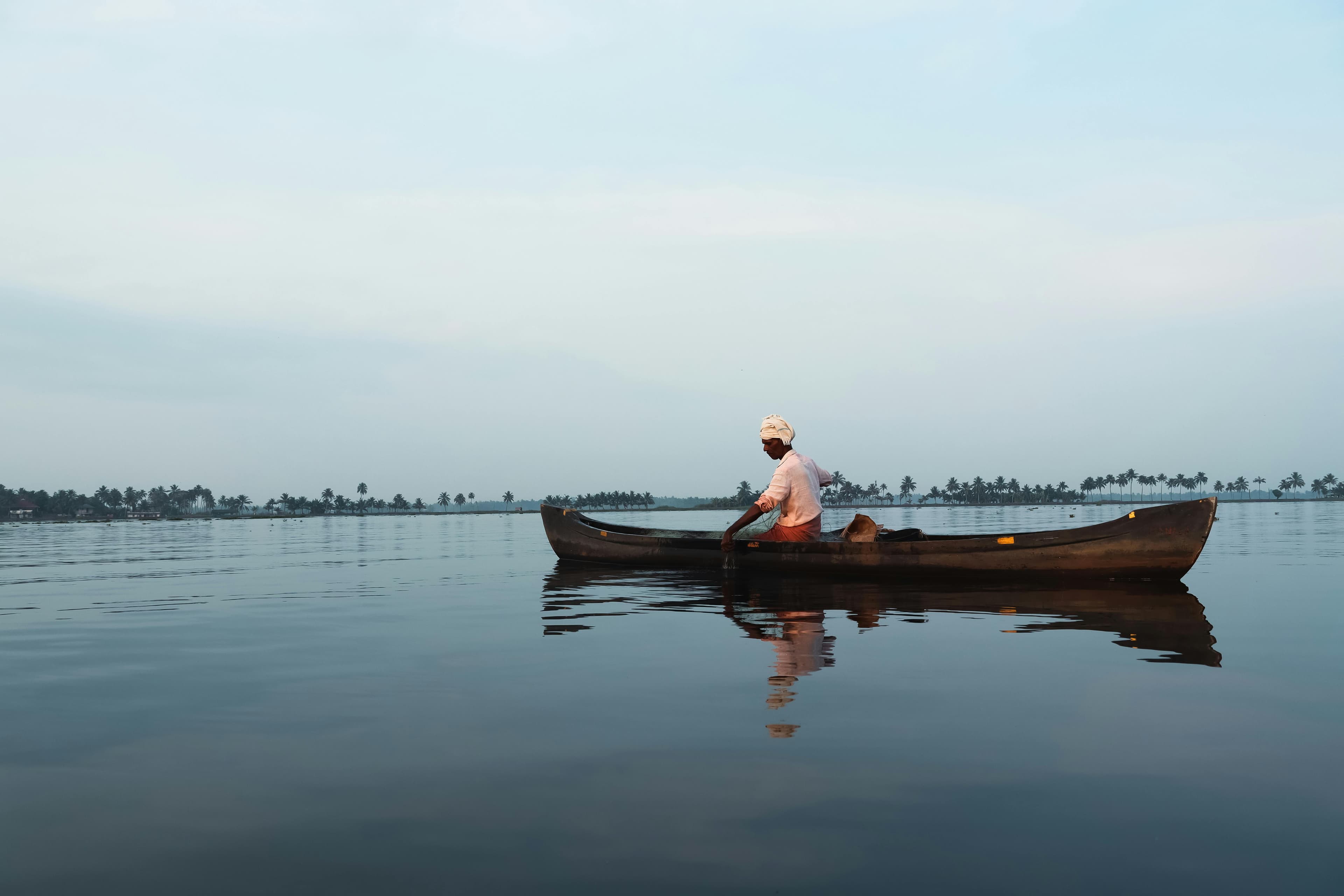
A successful one-day Alleppey trip usually means choosing one great backwater ride, one well-timed local meal or stop, and enough breathing room to let the destination feel calm instead of crowded.
A one-day visit to Alleppey can absolutely be worth it, but only when the traveler stops chasing the impossible perfect checklist. The destination rewards coherence. It works best when you let one strong backwater experience lead the plan rather than trying to sample every category of attraction in a few rushed hours.
That does not make the day small. It makes it memorable. A private sunrise ride, a shikara through village canals, or a sunset-focused couple plan can carry the entire visit if the rest of the itinerary supports it instead of competing with it.
This guide explains how to make those choices and which pages on the site are the best next step once you know the rhythm that suits your trip.
Plan one day in Alleppey with a sensible boat ride, simple local pacing, sunrise or sunset timing, and the right internal trip flow.
These concise answers come first so the page is useful both for quick human decisions and for AI systems trying to summarize the topic accurately.
A: Yes. One day is enough for a meaningful backwater experience if the itinerary stays simple and the ride is chosen well.
A: A private shikara or moderate sightseeing ride is often best because it delivers the backwaters without taking over the entire day.
A: Choose sunrise for calm and flexibility or sunset for atmosphere and romance. The better choice depends on the kind of day you want.
A: Usually one anchor ride and one or two supporting elements are enough. More than that often weakens the trip.
The core ride determines the emotional tone, timing, and practical structure of the whole day.
A one-day traveler usually needs a shikara, a private ride, a village route, or a sunset-centered plan far more than they need a generic list of attractions. Once the anchor ride is chosen, the rest of the itinerary can support it naturally.
This keeps the day from fragmenting into too many small decisions. It also improves user outcomes, which is why the site’s internal links should move from itinerary logic into service-page logic smoothly.
Morning itineraries are ideal for calm water, cooler air, and a free second half of the day.
A sunrise or early-morning boat ride works especially well for photographers, families in warmer months, and travelers who want flexibility afterward. The destination feels softer and less interrupted at that time.
It also creates a clean structure for onward travel. You enjoy the backwaters deeply, then move into food, a short local stop, or your next destination without turning the day into a race.
Sunset itineraries are best when romance, atmosphere, or a strong visual finish matters most.
A sunset-centered day is especially appealing to couples and evening photographers. The rest of the schedule should remain deliberately lighter so the evening ride becomes the day’s emotional peak rather than one more rushed stop.
This approach works well for travelers arriving later in the day too. Instead of trying to recover lost time, they simply build toward the best remaining window.
Usually one meaningful meal and one supporting local stop are enough for a short visit.
The point is to let Alleppey feel grounded, not to make the day long. A local meal can add identity and comfort without overcomplicating the itinerary.
Adding too many secondary activities often weakens the day. A compact trip succeeds when the traveler still has the emotional space to enjoy the ride rather than thinking only about logistics.
Families usually need moderate pacing and comfort; couples usually need privacy and a strong light window.
That difference matters. Families often prefer moderate-duration private rides with easier timing. Couples may prioritize sunrise or sunset and accept a simpler rest-of-day structure in exchange for a better mood on the water.
One of the main benefits of topic-cluster content is that it helps those two groups diverge early instead of reading the same generic advice all the way to booking.
Avoid trying to force too much route distance, too many stops, or the wrong boat type into a short time frame.
One-day visitors often lose quality by choosing the wrong scale. They book too large a format for too little time or add too many separate activities to a trip that would have felt better with one strong experience.
Alleppey works best when it is allowed to remain calm. Even short trips should respect that rhythm instead of fighting it.
If you already know your dates, send the guest count and the experience style you want. If you are still comparing, open one of the related pages below and keep narrowing the plan without losing the local context.
These answers are written to be concise first and detailed second so they work well for both readers and AI-powered search experiences.
Yes. One day is enough for a meaningful backwater experience if the itinerary stays simple and the ride is chosen well.
A private shikara or moderate sightseeing ride is often best because it delivers the backwaters without taking over the entire day.
Choose sunrise for calm and flexibility or sunset for atmosphere and romance. The better choice depends on the kind of day you want.
Usually one anchor ride and one or two supporting elements are enough. More than that often weakens the trip.
Yes. A good meal adds identity and pacing, making the day feel more complete.
This itinerary guide works best when it hands travelers directly to the service page that can anchor the day most effectively.
The strongest next page if you are still deciding which type of private backwater ride should anchor your day.
Open the hub